
Rational Oven Troubleshooting Manual: An Overview
This manual provides a comprehensive guide for diagnosing and resolving issues with your Rational oven, covering error codes, preventative maintenance, and advanced techniques.
Rational ovens represent a significant advancement in commercial cooking, utilizing a combination of steam and convection heat for unparalleled cooking precision and efficiency. These self-contained cooking systems, known for their intelligence and versatility, demand a specific understanding for effective troubleshooting. Unlike conventional ovens, Rational units incorporate sophisticated sensors, a complex steam generation system, and advanced control software.
Understanding the core principles of Rational technology – including the interplay between moisture, temperature, and airflow – is crucial for diagnosing problems. The ovens strive for precision, relying on rational decisions and thoughts, based on data, not emotion. This manual aims to equip users with the knowledge to interpret error codes and perform basic maintenance, ensuring optimal performance and longevity of their Rational oven investment.
Understanding Rational Oven Error Codes
Rational ovens employ a robust error code system to quickly identify and communicate malfunctions. Each code represents a specific issue, ranging from minor sensor faults to critical component failures. These codes aren’t simply random; they are based on clear thought and reason, providing a logical starting point for diagnosis.
Interpreting these codes is fundamental to effective troubleshooting. The oven displays the code, allowing for quicker issue tackling. Lists of service codes are available to help pinpoint the problem. Ignoring error codes can lead to escalating issues and costly repairs. This section will detail common codes (like E01, E02) and their meanings, empowering users to address problems efficiently and maintain optimal oven performance.

Common Rational Oven Problems & Solutions
This section details frequent Rational oven issues – from heating failures and steam system malfunctions to error code-related problems – and provides practical solutions.
Problem 1: Oven Not Heating
A Rational oven failing to heat is a critical issue impacting operations. Initial troubleshooting requires verifying the power supply – ensure proper voltage and a functioning circuit breaker. Inspect the power cord for damage and confirm it’s securely connected. If power is confirmed, the heating elements themselves become the focus.
Carefully examine the heating elements for any visible breaks or signs of burnout. A multimeter can test for continuity, identifying a faulty element needing replacement. Remember to disconnect power before any inspection! Consider the oven’s control system; a malfunctioning thermostat or control board could also prevent heating. Professional diagnosis may be needed for complex electrical issues.
Checking the Power Supply
Begin by verifying the oven is correctly plugged into a functioning power outlet. Confirm the outlet provides the correct voltage specified in the Rational oven’s manual. Inspect the circuit breaker or fuse box to ensure the dedicated circuit hasn’t tripped or blown. Reset if necessary, but if it trips again, investigate for potential electrical overload.
Examine the power cord itself for any visible damage – cuts, fraying, or exposed wires. A damaged cord presents a serious safety hazard and requires immediate replacement. Use a multimeter to test the voltage at the oven’s connection point, confirming power delivery. Always disconnect power before any inspection or repair work!
Inspecting the Heating Elements
With the power safely disconnected, visually inspect the heating elements for any signs of damage – breaks, blisters, or corrosion. A damaged element will not heat effectively and must be replaced. Use a multimeter set to the resistance setting (Ohms) to test the continuity of each element. A reading of ‘OL’ or infinite resistance indicates a broken element.
Carefully examine the connections to the heating elements, ensuring they are secure and free from corrosion. Loose connections can cause intermittent heating or complete failure. Consult the oven’s wiring diagram to correctly identify each element and its associated connections. Replacement elements must match the original specifications.
Problem 2: Steam System Malfunctions
Steam is crucial for many Rational oven functions, and malfunctions can significantly impact cooking quality. Common issues include insufficient steam production or steam leaks. First, verify the water supply is connected and fully open. Check the water filter for blockages, as restricted water flow limits steam generation. Inspect the steam generator for limescale buildup, a frequent cause of reduced efficiency.
Monitor the steam pressure during operation; abnormally low pressure suggests a problem with the generator or water supply. Address any steam leaks immediately, as they waste water and reduce oven performance. Regular descaling, as detailed in the maintenance section, is vital for preventing steam system issues.
Low Water Level Issues
A frequent cause of steam system malfunctions is a low water level. The Rational oven relies on a consistent water supply for optimal steam generation. Check the water connection to ensure it’s securely attached and the water supply is fully turned on. Inspect the fill level sensor; a faulty sensor may incorrectly indicate a low water level even when the tank is sufficient.
Verify the water hardness setting is correctly configured, as this impacts the frequency of descaling and water consumption. Ensure the water filter isn’t clogged, restricting water flow to the steam generator. Regularly monitor the water consumption and address any unexplained rapid depletion, potentially indicating a leak.
Steam Generator Troubleshooting
If the steam generator isn’t functioning correctly, begin by checking for error codes related to steam production. Inspect the steam generator for limescale buildup, a common issue, especially in areas with hard water. Descaling the oven regularly is crucial for preventing this. Verify the heating elements within the steam generator are intact and functioning; a multimeter can assist with this check.
Examine the steam lines for any blockages or leaks. Ensure the steam valve is opening and closing properly, allowing steam to flow as needed. Consult the oven’s service manual for specific troubleshooting steps related to the steam generator model.
Problem 3: Error Code Related Issues
Rational ovens utilize error codes to pinpoint specific malfunctions, streamlining the troubleshooting process. Each code corresponds to a particular issue, ranging from minor sensor faults to critical component failures. Decoding these codes is the first step towards resolution; refer to the oven’s manual or online resources for interpretations. Common codes like E01 or E02 indicate specific problems needing attention.
After addressing the issue, a reset may be required. Follow the oven’s reset procedure carefully, often involving a specific button combination or power cycle. Documenting error codes and the steps taken to resolve them can aid in future troubleshooting efforts.
Decoding Specific Error Codes (e.g., E01, E02)
Error code E01 typically signals a communication issue between the oven’s control panel and other internal components, potentially requiring a system reboot or component check. Code E02 often indicates a problem with the temperature sensor, potentially leading to inaccurate cooking temperatures and necessitating sensor replacement or calibration. Further codes relate to steam generation, water supply, or gas valve malfunctions.
Consult the Rational oven’s service manual for a complete list and detailed explanations of each error code. Understanding the specific code allows for targeted troubleshooting, saving time and resources. Accurate interpretation is crucial for effective repair.
Resetting the Oven After an Error Code
After addressing the cause of an error code, a reset is often necessary to restore normal oven operation. A soft reset involves simply powering the oven off and then on again, allowing the system to reinitialize. For more persistent errors, a factory reset might be required, returning the oven to its original settings – remember to back up any custom programs first!
Refer to the Rational oven’s manual for the specific reset procedure for your model. Incorrect resetting can lead to further issues, so follow instructions carefully. Confirm the error code has cleared before resuming operation, ensuring a stable and safe cooking environment.
Preventative Maintenance for Rational Ovens
Regular maintenance is crucial for optimal performance and longevity, including monthly inspections of gas and electrical components, alongside consistent cleaning procedures.
Monthly Maintenance Tasks
Consistent monthly checks are vital for maintaining peak Rational oven performance and preventing unexpected breakdowns. For gas models, meticulously inspect gas components, paying close attention to the burner nozzle insert for any signs of wear or blockage. Thoroughly examine all electrical connections, ensuring they are secure and free from corrosion – loose connections can pose a safety hazard and impact oven functionality.
Don’t neglect to verify the proper operation of safety valves and thermostats. A quick visual inspection of hoses and seals can identify potential leaks. Documenting these checks creates a maintenance history, aiding in future troubleshooting and ensuring adherence to warranty requirements. Prioritizing these tasks minimizes downtime and extends the life of your valuable Rational oven.
Inspecting Gas Components (Gas Models)
For Rational ovens utilizing gas, a detailed monthly inspection of gas components is paramount for safety and optimal performance. Begin by carefully examining the burner nozzle insert, checking for any obstructions or signs of wear that could affect flame quality. Inspect all gas lines and connections for leaks using a suitable leak detection solution – never use an open flame!
Verify the proper functioning of the gas pressure regulator and safety valves. Ensure ventilation pathways are clear to prevent gas buildup. Document any findings and address issues promptly. A qualified technician should handle any repairs involving gas lines or regulators. Regular inspection minimizes risks and maintains efficient oven operation.
Checking Electrical Connections
Consistent monthly checks of electrical connections are crucial for Rational oven reliability and safety. Begin by visually inspecting all wiring for signs of damage, fraying, or loose connections. Carefully examine the main power supply connection, ensuring it’s secure and free from corrosion.
Check the connections to the heating elements, steam generator, and control panel. Use a multimeter to verify proper voltage levels where appropriate, adhering to strict safety precautions. Document any loose connections or damaged wiring and rectify them immediately. If you are uncomfortable working with electricity, consult a qualified technician. Prioritize safety during all electrical inspections.
Regular Cleaning Procedures
Maintaining a rigorous cleaning schedule is paramount for optimal Rational oven performance and longevity. Daily cleaning should focus on removing food debris and spills from the cooking chamber. Weekly, a more thorough cleaning of the interior surfaces, including the door and seals, is recommended.
Crucially, the steam generator requires dedicated attention. Regular descaling prevents mineral buildup, ensuring efficient steam production. Follow the manufacturer’s guidelines for descaling frequency and approved cleaning agents. Consistent cleaning prevents malfunctions, extends the oven’s lifespan, and maintains food safety standards.
Cleaning the Steam Generator
The steam generator demands consistent cleaning to prevent limescale buildup, a primary cause of malfunctions. Utilize a RATIONAL-approved descaling agent, following the precise instructions outlined in the oven’s manual. Incorrect descaling can damage the unit.
Typically, this involves running a dedicated cleaning cycle with the descaler, followed by thorough rinsing. Regular inspection of the steam generator’s components is vital. Addressing minor buildup promptly prevents significant issues. Neglecting this maintenance leads to reduced steam output, inconsistent cooking results, and potential costly repairs.
Descaling the Oven
Regular descaling is crucial for maintaining optimal Rational oven performance, preventing limescale accumulation that hinders steam production and heating efficiency. Employ only RATIONAL-approved descaling agents, adhering strictly to the manufacturer’s guidelines detailed in the oven’s operating manual.
The descaling process usually involves a dedicated cleaning cycle, utilizing the descaler followed by multiple thorough rinse cycles to eliminate residue. Frequency depends on water hardness; areas with hard water require more frequent descaling. Ignoring descaling leads to reduced steam output, uneven cooking, and potential damage to internal components, necessitating expensive repairs.

Advanced Troubleshooting Techniques
Utilizing diagnostic tools and interpreting sensor readings allows for in-depth analysis of Rational oven performance, pinpointing complex issues efficiently.
Using the Rational Service Diagnostic Tool
The Rational Service Diagnostic Tool is a powerful resource for identifying and resolving complex oven issues. This tool allows technicians, and trained operators, to access detailed system information, including sensor readings, error logs, and component status. It facilitates a systematic approach to troubleshooting, guiding users through a series of tests to pinpoint the root cause of a problem.
Connecting the tool to the oven initiates a comprehensive system check, revealing any active error codes or potential malfunctions. The diagnostic tool provides specific instructions for addressing each issue, often including step-by-step repair procedures. Regularly utilizing this tool during preventative maintenance can proactively identify and address minor issues before they escalate into major problems, ensuring optimal oven performance and longevity. Proper training is crucial for effective tool utilization.
Interpreting Sensor Readings
Accurate interpretation of sensor readings is vital for effective Rational oven troubleshooting. These readings, accessible via the service diagnostic tool, provide real-time data on critical parameters like temperature, pressure, and humidity within the oven cavity and steam system. Deviations from expected values often indicate underlying issues.
For example, a consistently low temperature reading may suggest a faulty temperature sensor or a failing heating element; Similarly, unusual pressure readings could point to a steam generator malfunction. Understanding the normal operating range for each sensor is crucial. Comparing current readings to historical data, when available, can help identify trends and pinpoint intermittent problems. Careful analysis of sensor data allows for precise diagnosis and targeted repairs.
When to Call a Professional
Certain issues demand expert attention; attempting complex repairs without proper training can cause further damage or safety hazards – seek certified technician assistance.
Identifying Issues Beyond DIY Repair
Determining when a Rational oven problem exceeds your ability to fix it safely and effectively is crucial. Complex electrical faults, particularly those involving the main control board or high-voltage components, require a trained technician’s expertise. Similarly, issues within the sealed steam generator system should not be attempted by untrained personnel due to the risk of scalding and potential damage to the unit.
If error codes persist after multiple reset attempts, or if you suspect a gas leak (for gas models), immediately contact a certified Rational service technician. Any repairs involving the burner assembly or gas lines are best left to professionals. Ignoring these warning signs could lead to costly repairs, void your warranty, or create a dangerous situation.
Finding a Certified Rational Service Technician
Locating a qualified technician is essential for maintaining your Rational oven’s performance and longevity. Rational provides a network of certified service partners equipped with specialized training and genuine replacement parts. Begin your search by visiting the official Rational website and utilizing their “Find a Service Partner” tool, inputting your location for nearby options.
Alternatively, contact Rational’s customer support directly for recommendations in your area. When requesting service, inquire about the technician’s experience with your specific oven model and their certification status. Verify their credentials and request a detailed quote before authorizing any repairs. A certified technician ensures accurate diagnosis and quality workmanship, protecting your investment.
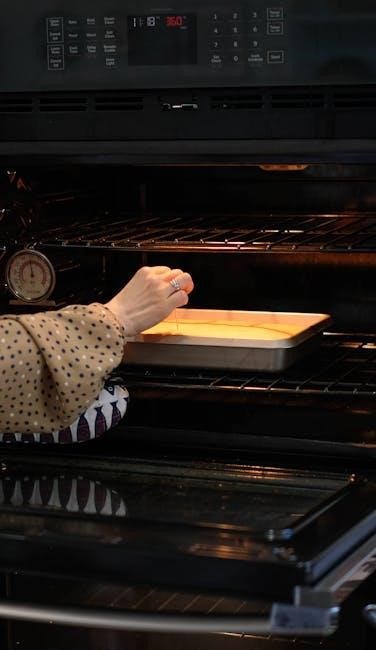
Rational Oven Safety Precautions
Prioritize safety by adhering to electrical guidelines and preventing steam burns when troubleshooting or maintaining your Rational oven; always disconnect power first.
Electrical Safety Guidelines
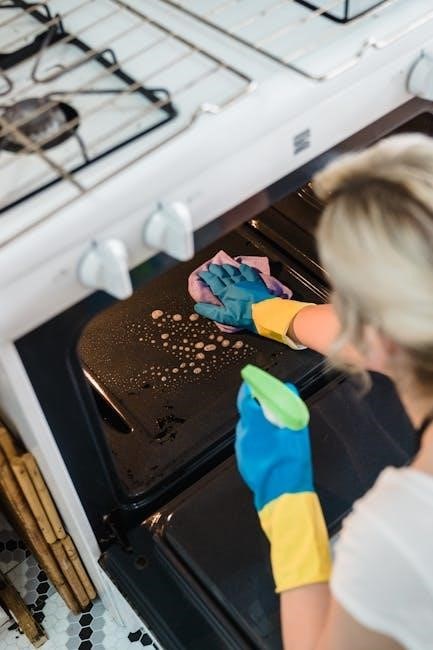
Before commencing any troubleshooting or maintenance procedures on your Rational oven, always disconnect the unit from the main power supply. This crucial step minimizes the risk of electrical shock and ensures a safe working environment. Never attempt repairs while the oven is energized.
Inspect power cords and connections regularly for damage, such as fraying or loose wiring. Replace any damaged components immediately with genuine Rational parts. Avoid using extension cords whenever possible; if necessary, ensure they are appropriately rated for the oven’s power requirements.
Ensure proper grounding of the oven to prevent electrical hazards. If you are unsure about any electrical aspect of the repair, consult a qualified and certified electrician. Remember, electrical safety is paramount when working with high-voltage appliances.
Steam Burn Prevention
Rational ovens utilize high-pressure steam for optimal cooking performance, presenting a potential burn hazard if not handled cautiously. Always allow the oven to cool completely before performing any maintenance or cleaning tasks, particularly those involving the steam generator or steam distribution system.
When opening the oven door, especially during or immediately after the cooking process, stand to the side to avoid direct exposure to escaping steam. Wear appropriate personal protective equipment (PPE), including heat-resistant gloves and eye protection, to shield against burns.
Never attempt to disassemble or modify the steam system components. If you suspect a steam leak, immediately turn off the oven and contact a certified Rational service technician for assistance. Prioritize safety to prevent severe injuries.