
Ceremonial of Bishops represents a deeply rooted and complex tradition, encompassing diverse rites, rituals, and symbolic actions vital to episcopal functions.
Historical Context of Episcopal Ceremonies
The historical development of episcopal ceremonies stretches back to the early Church, evolving from simple gatherings to elaborate liturgical expressions. Early practices, influenced by Jewish traditions and Roman customs, gradually formalized over centuries. Key milestones include the codification of liturgical practices during the patristic period and the subsequent influence of monastic orders.
Throughout the medieval era, ceremonies became increasingly ornate, reflecting the growing power and prestige of the Church. Texts like Baldeschi-Dale’s Ceremonial According to the Roman Rite (1853) demonstrate attempts to standardize practices. These historical layers contribute to the rich tapestry of modern episcopal ceremonial, showcasing a continuous evolution rooted in ancient traditions.
Significance of Rituals in Bishop’s Ministry
Rituals within a bishop’s ministry aren’t merely symbolic; they embody and communicate profound theological truths. These ceremonies visibly express the bishop’s role as a successor to the Apostles, a shepherd of the flock, and a teacher of the faith. The careful execution of rites reinforces the sacredness of the office and fosters reverence among the faithful.
Pontifical functions, common for bishops, emphasize unity with the Pope as the Ordinary. Ceremonial actions, particularly during Mass, especially in cathedrals, underscore the bishop’s authority and responsibility. They serve as powerful reminders of the Church’s continuity and the grace conferred through the sacraments.

The Episcopal Ordination Ceremony
The ordination embodies a rich tradition, featuring the presentation of the candidate, a solemn promise of office, and the pivotal imposition of hands and consecration prayer.
Presentation of the Candidate
The presentation of the candidate for episcopal ordination is a significant moment within the ceremony, signifying formal acceptance by the Church. Typically, the candidate is presented to the consecrating bishop(s) by the apostolic nuncio or a designated representative. This act publicly acknowledges the individual’s suitability and readiness to assume the responsibilities of the episcopate.
Often, those presenting the candidate will attest to their virtues, qualifications, and suitability for the office. This public affirmation underscores the collaborative nature of the selection process and the Church’s discernment in choosing its leaders. The presentation isn’t merely procedural; it’s a theological statement about the gift of a new bishop to the faithful.
The Promise of Office
Following presentation, the candidate publicly declares their acceptance of the office and its associated duties through a solemn promise. This promise, made before the consecrating bishop and assembled clergy and faithful, affirms their commitment to faithfully fulfill the roles of teacher, shepherd, and leader. The candidate vows to proclaim the Gospel, administer the sacraments, and guide the faithful entrusted to their care.
This isn’t a mere formality; it’s a binding commitment, a sacred pledge made before God and the Church. The promise highlights the weighty responsibility undertaken by the bishop and their dedication to serving Christ and His people. It’s a pivotal moment demonstrating willingness and obedience.
Imposition of Hands and Consecration Prayer
Central to the Episcopal Ordination is the imposition of hands by the consecrating bishops, symbolizing the transmission of the Holy Spirit and apostolic succession. Surrounding the candidate, bishops extend their hands, invoking the Spirit’s descent and bestowing the fullness of the sacrament of Holy Orders. Simultaneously, the consecrator recites the consecration prayer, a powerful invocation beseeching God to sanctify the candidate.
This prayer specifically requests the gifts of the Holy Spirit necessary for episcopal ministry – wisdom, understanding, counsel, fortitude, knowledge, piety, and fear of the Lord. It’s a profound moment of spiritual bestowal, marking the candidate’s transformation into a bishop.

Liturgical Vestments and Insignia
Episcopal vestments—mitre, crozier, ring, and breastplate—are not mere adornments, but potent symbols communicating authority and pastoral responsibilities.
The Mitre: Symbol of Episcopal Authority
The mitre, a distinctive headdress, profoundly signifies the bishop’s fullness of sacramental power and teaching authority within the Church. Historically evolving from practical head coverings, it became a visible emblem of jurisdiction and spiritual leadership.
Its form—often pointed—represents aspiration towards heaven, while its ornamentation reflects the dignity of the office. The bishop retains the mitre during significant liturgical moments, notably during the celebration of Mass and other pontifical functions.
The mitre’s presence underscores the bishop’s role as a successor to the Apostles, entrusted with safeguarding and transmitting the faith. It’s a powerful visual reminder of his sacred duties.
The Crozier: Shepherd’s Staff
The crozier, resembling a shepherd’s staff, is a potent symbol of a bishop’s pastoral role – to guide, protect, and nurture the flock entrusted to his care. This distinctive staff isn’t merely ornamental; it embodies the bishop’s responsibility for the spiritual well-being of his diocese.
Historically, bishops carried croziers as a practical aid during processions and visits, but it quickly evolved into a symbolic representation of their authority. The crook itself signifies the bishop’s duty to seek out and welcome lost sheep, bringing them back to the fold.
Its use during liturgical celebrations reinforces the image of the bishop as a loving shepherd leading his people to Christ.
The Ring and Episcopal Breastplate
The episcopal ring, traditionally worn on the left hand, symbolizes the bishop’s marriage to the Church – a bond of fidelity and commitment. It signifies his spiritual union with Christ and his authority to govern the diocese. Often adorned with the bishop’s coat of arms, it’s a visible sign of his identity and jurisdiction.
The episcopal breastplate, or pectoral cross, is another significant insignia. It represents the armor of God, protecting the bishop as he defends the faith and leads his flock. Historically, it offered actual protection, but now it’s primarily symbolic.
Both items underscore the bishop’s sacred duties and responsibilities.
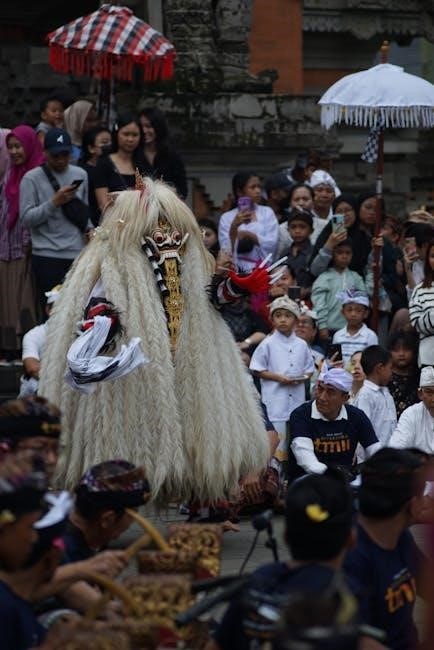
Rites Performed During Mass by a Bishop
During Mass, a bishop performs specific rites, including blessings with incense, administering sacraments, and delivering a homily with presidential prayers.
Blessings and Incensations
A bishop’s blessings and use of incensation are integral parts of the Mass, signifying reverence and petitioning divine favor. These actions aren’t merely symbolic; they’re deeply rooted in tradition, enhancing the sacredness of the liturgical space and the participants. The bishop bestows blessings upon the congregation, objects, and elements, invoking God’s grace.
Incensation, utilizing fragrant incense, purifies the altar, the Gospel book, and the people, representing prayers ascending to heaven. The ceremonial details, as outlined in resources like the Ceremonial of Bishops, dictate the precise movements and prayers accompanying these rites, ensuring a dignified and spiritually enriching experience for all.
Administration of Sacraments
As a successor to the Apostles, a bishop holds the fullness of the Sacrament of Holy Orders, and uniquely administers Confirmation, bestowing the Holy Spirit. The Ceremonial of Bishops details the precise protocols for these sacred acts, emphasizing reverence and proper intention. During Mass, the bishop may also preside at baptisms and celebrate reconciliation, demonstrating pastoral care;
The administration of each sacrament is accompanied by specific prayers, gestures, and prescribed formulas, ensuring fidelity to Church tradition. These rites aren’t simply procedural; they are encounters with divine grace, mediated through the bishop’s ordained ministry, and documented in liturgical guides.

Homily and Presidential Prayers
The bishop’s homily, delivered from the ambo, is a central element of the Mass, expounding on the Scripture readings and relating them to the lives of the faithful. Following the homily, the bishop leads the Universal Prayer, also known as the Prayer of the Faithful, guiding the congregation in intercession.
The Ceremonial of Bishops outlines the appropriate tone and content for these addresses, emphasizing clarity and pastoral sensitivity. Presidential prayers, offered by the bishop alone, often occur during special occasions, invoking God’s blessing and guidance. These moments demonstrate the bishop’s role as teacher, shepherd, and intercessor.
Specific Ceremonial Actions of Bishops
Pontifical functions are common for bishops, yet the Pope remains the sole Ordinary; specific actions during liturgical celebrations demonstrate episcopal authority and pastoral care.
During the Liturgical Procession
The liturgical procession, a visually significant element of the Mass, involves only the designated liturgical ministers and should commence precisely at the scheduled time for the celebration. This procession isn’t merely a movement, but a symbolic representation of the Church journeying towards God. The bishop, leading the procession, embodies Christ the Shepherd, guiding his flock.
Specific arrangements and the order of participants within the procession are carefully dictated by the Ceremonial of Bishops, ensuring reverence and clarity. The procession’s dignified pace and the careful handling of sacred objects underscore the solemnity of the liturgical event, preparing the congregation for worship.
Common Ceremonial Actions
Pontifical functions are frequently shared amongst bishops, though the Pope remains the ultimate Ordinary. Common ceremonial actions performed by bishops demonstrate their authority and sacred office. These actions, detailed within resources like the Ceremonial of Bishops, include specific gestures during blessings, the precise manner of incensation, and the dignified presentation of sacred objects.
These aren’t merely customary practices, but rather symbolic expressions of spiritual power and pastoral care. Consistency in these actions, across different settings, reinforces the unity and tradition of the Church, offering a visible sign of faith to the faithful.
Resources for Studying the Ceremonial of Bishops
Scholarly articles and online resources, including Baldeschi-Dale’s 1853 work, Ceremonial According to the Roman Rite, aid in understanding these rites.
Online Resources and Scholarly Articles
Delving into the ceremonial of bishops requires accessing specialized resources. Historical texts like Baldeschi-Dale’s “Ceremonial According to the Roman Rite” (1853) provide foundational understanding, though older, they offer valuable insights. Modern scholarly articles, often found through theological databases and university libraries, analyze evolving practices.
Online, explore digitized versions of liturgical manuals and commentaries. Websites dedicated to liturgical studies frequently host articles and discussions. Searching for “episcopal ceremonial,” “pontifical rites,” or specifically “Ceremonial of Bishops PDF” can yield relevant documents. Remember to critically evaluate sources and prioritize peer-reviewed academic publications for reliable information.
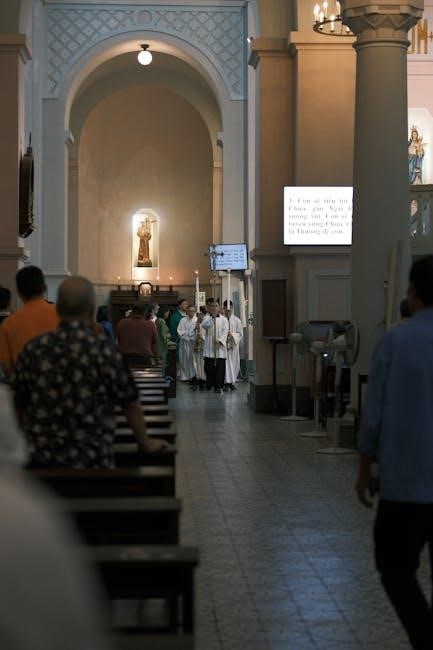
Variations in Ceremonial Rites
Ceremonial practices exhibit regional differences and have evolved historically, impacting how episcopal rites are performed, as detailed in various PDF resources.
Regional Differences
The ceremonial of bishops isn’t monolithic; significant regional variations exist in practice. These differences, often documented in specialized PDF guides like Baldeschi-Dale’s Ceremonial According to the Roman Rite, stem from historical developments and local liturgical traditions. For instance, customs surrounding processions, vestment colors, and the specific execution of blessings can diverge considerably.
Eastern Catholic Churches, while sharing communion with Rome, maintain distinct ceremonial traditions. Even within the Latin Rite, national churches—like those in France or Spain—have incorporated unique elements. Understanding these nuances requires consulting regional liturgical manuals and scholarly articles often available as PDF downloads, revealing a fascinating tapestry of practice.
Historical Evolution of Practices
The ceremonial of bishops has undergone substantial evolution throughout history, documented in resources often found as PDF documents detailing liturgical changes. Early practices, rooted in ancient Jewish and Roman traditions, gradually developed distinct Christian characteristics. The medieval period saw increased emphasis on symbolic gestures and elaborate vestments.
Post-Vatican II reforms significantly impacted episcopal ceremonies, streamlining some elements while retaining core symbolic meaning. Studying historical liturgical manuals, frequently available in PDF format, reveals these shifts. Understanding this evolution is crucial for appreciating the current form of these rites and their theological underpinnings, showcasing a dynamic tradition.
The Bishop’s Role on Good Friday
PDF resources detail the bishop’s central role in Good Friday rites, including preparation and specific observances, emphasizing solemnity and reverence.
Preparation for Good Friday Rites
According to Ceremonial of Bishops PDF documents, meticulous preparation is paramount for Good Friday. Bishops ensure only two candles and one server accompany them at private Mass. The altar is prepared with a black cloth, devoid of any ornamentation, signifying mourning.
Specific attention is given to the vesting, with red being the liturgical color. The bishop confirms all necessary elements are in place for the Adoration of the Cross and the Communion service. Detailed instructions within these resources outline the proper arrangement of the sanctuary and the reverent handling of sacred vessels, emphasizing a spirit of penance and solemn remembrance.
Specific Observances and Ceremonies
Ceremonial of Bishops PDF resources detail Good Friday’s unique observances. The liturgy centers on the Adoration of the Cross, where the bishop reverently unveils and presents it for veneration. Following this, Holy Communion is administered using hosts consecrated on Holy Thursday.

The Three Hours’ Agony is often observed, with readings and prayers recalling Christ’s Passion. Bishops lead the faithful in solemn processions and prostrations, embodying deep repentance. These rites, meticulously outlined in the ceremonial guides, emphasize the weight of Christ’s sacrifice and the call to spiritual renewal.