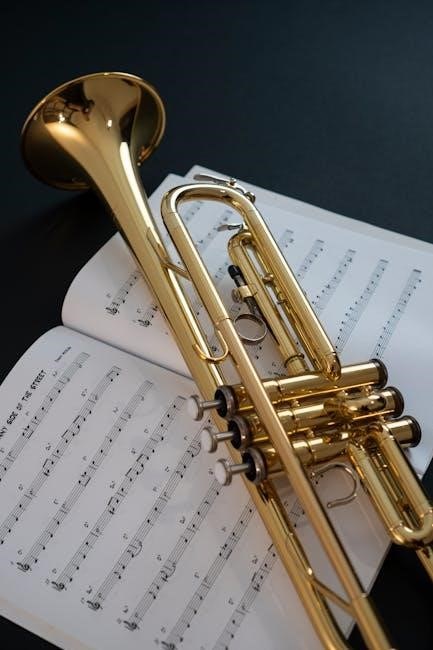
The Phantom of the Opera Sheet Music PDF: A Comprehensive Guide (Updated 03/09/2026)
Discover a wealth of Phantom of the Opera sheet music PDFs, ranging from piano solos to vocal scores, readily available for download from various online sources.
Andrew Lloyd Webber’s masterpiece, “The Phantom of the Opera,” continues to captivate audiences worldwide, and its enduring popularity fuels a consistent demand for its sheet music. Whether you’re a seasoned pianist, a budding vocalist, or an instrumentalist, accessing the scores allows you to delve into the intricate beauty of this iconic musical.
The availability of sheet music in PDF format has revolutionized how musicians learn and perform these beloved songs. From the dramatic title song to the tender ballad “All I Ask of You,” finding accurate and accessible arrangements is now easier than ever. Numerous websites and retailers offer a diverse selection, catering to various skill levels and instrumentation preferences. Exploring these resources unlocks a world of musical possibilities, enabling you to recreate the magic of “The Phantom of the Opera” in your own performances.
Why Seek PDF Versions?
PDF sheet music offers unparalleled convenience and accessibility for musicians. Unlike traditional printed scores, PDFs are instantly downloadable, eliminating shipping costs and wait times. This digital format allows for easy storage on various devices – computers, tablets, and smartphones – providing music at your fingertips.
Furthermore, PDFs often include features not found in printed editions, such as adjustable zoom levels for comfortable reading and the ability to print only the pages you need. Many platforms also offer interactive PDFs with playback capabilities, aiding in learning and practice. The portability and cost-effectiveness of PDF sheet music make it an ideal choice for musicians of all levels, fostering a more flexible and efficient learning experience.
Availability of Free vs. Paid Sheet Music
Free sheet music for “The Phantom of the Opera” exists, found on websites like Free-Sheet-Music.us and Free Scores ⎼ Com, offering arrangements of varying quality and completeness. However, these often lack editorial markings or may contain inaccuracies. Paid sheet music, available through retailers like Musicnotes.com and Sheet Music Plus, generally provides professionally arranged, high-quality scores.
These paid versions are typically more accurate, complete, and legally compliant with copyright regulations. While free options can be a starting point, investing in paid sheet music ensures a reliable and enriching musical experience. The official Andrew Lloyd Webber website may also offer authorized, albeit potentially costly, arrangements.
Key Songs & Their Sheet Music Availability
Explore sheet music for iconic songs like “The Phantom of the Opera,” “Music of the Night,” and “All I Ask of You,” available in PDF format online.
“The Phantom of the Opera” (Title Song) Sheet Music
Finding sheet music for the titular song, “The Phantom of the Opera,” is surprisingly accessible. Numerous websites offer PDF versions, catering to different skill levels. Free-Sheet-Music.us lists it among their popular downloads, boasting over 5 million views.
Musicnotes.com and Sheet Music Plus provide both official, licensed arrangements and user-submitted transcriptions, often with varying degrees of accuracy and difficulty. Expect to find options for solo piano, vocal arrangements with piano accompaniment, and even four-hand piano duets.
Free Scores, Com also hosts arrangements, potentially including those for instruments beyond piano. When downloading, carefully review the source’s credibility and the arrangement’s quality to ensure a satisfying musical experience. The song’s complexity means beginner arrangements are simplified, while advanced versions retain the dramatic flair of the original.
“The Music of the Night” Sheet Music
“The Music of the Night” sheet music is widely sought after, and thankfully, readily available in PDF format. Free-Sheet-Music.us showcases its popularity, with nearly 4 million views, indicating high demand. Musicnotes.com and Sheet Music Plus offer a range of arrangements, from beginner-friendly simplified versions to complex, professional-quality scores.
Free Scores, Com provides another avenue for discovery, potentially including arrangements for various instruments like flute and guitar, alongside the standard piano options. Expect to find vocal scores with piano accompaniment, allowing singers to perform this iconic aria.
Consider the arrangement’s source and difficulty level before downloading. User-submitted transcriptions may vary in accuracy, while official arrangements guarantee fidelity to the original composition.
“All I Ask of You” Sheet Music
“All I Ask of You”, the beloved duet, boasts significant availability in PDF sheet music format. Numerous websites cater to musicians seeking to learn and perform this romantic piece. Expect to find options tailored for vocal duets with piano accompaniment, ideal for singers wanting to recreate the iconic scene.
Musicnotes.com and Sheet Music Plus are reliable sources, offering varying levels of difficulty to suit different skill sets. Free resources, like those found on community-driven platforms, may also present arrangements, though quality can differ.
Look for scores that clearly indicate vocal parts and piano accompaniment. Consider arrangements specifically designed for soprano and tenor voices to best capture the song’s essence.
“Think of Me” Sheet Music
“Think of Me”, Christine Daaé’s captivating aria, is widely accessible as a PDF sheet music download. This piece is popular among vocalists and often serves as an audition selection, contributing to its plentiful online presence. You’ll discover arrangements designed for soprano voice with piano accompaniment, mirroring the original orchestration.
Free-Sheet-Music.us and similar sites offer free versions, while Musicnotes.com and Sheet Music Plus provide professionally arranged, high-quality scores. These paid options often include accurate transcriptions and performance markings.
When selecting a version, prioritize clarity of notation and suitability for your vocal range. Beginner arrangements simplify the melody, while advanced versions retain the original’s complexity.
“Wishing You Were Somehow Here Again” Sheet Music
“Wishing You Were Somehow Here Again”, a profoundly emotional ballad, is frequently sought after in PDF sheet music format. This piece, known for its challenging vocal range and dramatic intensity, is available in arrangements for soprano voice and piano. Finding a reliable transcription is key to capturing its emotional depth.
Free Scores — Com and other online libraries often host user-submitted versions, while commercial sites like Musicnotes.com and Sheet Music Plus offer professionally prepared scores. These paid versions typically feature accurate notation and helpful performance suggestions.
Consider your vocal ability when choosing an arrangement; simplified versions exist for less experienced singers.
Sheet Music Formats & Difficulty Levels
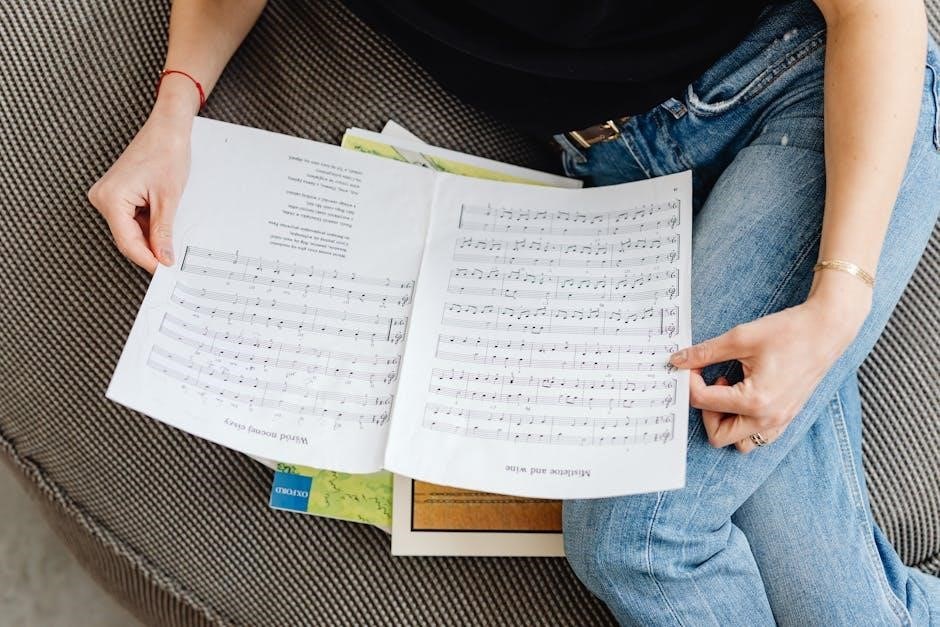
Explore diverse formats – solo piano, four-hand arrangements, vocal scores, and instrumental parts – catering to varied skill levels, from beginner to advanced.
Piano Sheet Music – Solo Arrangements
Solo piano arrangements of “The Phantom of the Opera” are incredibly popular, offering pianists the chance to tackle the iconic melodies and harmonies independently. These arrangements vary significantly in difficulty. Beginners might start with simplified versions focusing on the main themes, while more experienced players can find elaborate transcriptions capturing the full orchestral scope.
Websites like Musicnotes.com and Sheet Music Plus boast extensive catalogs of solo piano sheet music, often offering different arrangements to suit various skill levels. Free-Sheet-Music.us also provides options, though quality can vary. Many arrangements include detailed fingerings and pedal markings to aid performance. Expect to find sheet music for individual songs like “The Phantom of the Opera” (title song), “The Music of the Night,” and “All I Ask of You” available in solo piano format.
Piano Sheet Music – Four-Hand Arrangements
Four-hand piano arrangements of “The Phantom of the Opera” present a delightful collaborative experience for two pianists. These arrangements typically divide the orchestral parts between the two players, creating a richer and more textured sound than a solo performance. They are excellent for students learning ensemble playing or for pianists seeking a challenging and rewarding duet.
Finding four-hand arrangements requires a bit more searching than solo versions. Sheet Music Plus often carries selections, and dedicated sheet music communities like Free Scores — Com may host user-submitted arrangements. These arrangements often require intermediate to advanced piano skills due to the complexity of the divided parts. Expect to encounter arrangements of the title song and other key pieces, offering a unique interpretation of Webber’s masterpiece.
Vocal Sheet Music with Piano Accompaniment
Vocal sheet music for “The Phantom of the Opera” is incredibly popular, allowing singers to perform iconic songs like “The Music of the Night” and “All I Ask of You.” These PDFs typically include the melody line with lyrics, accompanied by a simplified piano part for support. They cater to a wide range of vocal abilities, from beginner to professional.
Musicnotes.com and Sheet Music Plus are excellent resources for finding official vocal scores. Free-Sheet-Music.us may offer some selections, though quality can vary. When selecting a vocal score, consider the key and range to ensure it suits your voice. Many arrangements include chord symbols, enabling guitar or other instrumental accompaniment. These scores are ideal for vocal practice, auditions, or performances.
Instrumental Sheet Music (Flute, Guitar, Violin etc.)
Beyond piano and vocals, “The Phantom of the Opera” offers rich opportunities for instrumentalists. Sheet music PDFs are available for instruments like flute, guitar, and violin, allowing musicians to explore the score’s melodic beauty. Free Scores ⎼ Com provides options, including a violin duet arrangement of the medley. These arrangements often adapt the vocal melodies or orchestral parts for solo instruments.
Guitarists can find tablature and standard notation versions, while flutists and violinists can enjoy arrangements tailored to their instruments’ ranges. Musicnotes.com and Sheet Music Plus also stock instrumental sheet music. The availability varies by instrument; however, dedicated fans often create and share arrangements online. These PDFs provide a unique way to engage with the musical themes.
Difficulty Levels: Beginner, Intermediate, Advanced
“Phantom of the Opera” sheet music caters to all skill levels. Beginner arrangements simplify melodies and harmonies, focusing on core themes. Intermediate players can tackle more complex piano solos or vocal scores with piano accompaniment, incorporating richer chords and rhythms. Advanced musicians can explore four-hand piano arrangements or full orchestral scores, demanding technical proficiency and musical interpretation.
PDF availability reflects this range. Simplified versions are common on free sheet music sites, while more challenging arrangements are typically found on paid platforms like Musicnotes.com. Consider starting with simpler arrangements to build confidence before attempting the more demanding pieces. Online tutorials can aid learning, regardless of your level.
Where to Find “Phantom of the Opera” Sheet Music PDFs
Explore options like Free-Sheet-Music.us, Musicnotes.com, Sheet Music Plus, Free Scores — Com, and the official Andrew Lloyd Webber website for PDF sheet music.
Free Sheet Music Websites (e.g., Free-Sheet-Music.us)
Numerous websites offer free sheet music for “The Phantom of the Opera,” though quality and accuracy can vary. Free-Sheet-Music.us is a popular starting point, providing a selection of piano sheet music, including arrangements of iconic songs like “The Phantom of the Opera” and “Think of Me.”
However, be aware that free sources may contain simplified arrangements or transcriptions created by users, potentially differing from official publications. These sites often rely on community contributions, so verifying the accuracy of the music is crucial.
While convenient, free options may lack the polish and detailed annotations found in paid versions. Consider these resources for practice or casual playing, but for serious study or performance, professionally published sheet music is generally recommended. Always check for copyright notices and usage restrictions.
Paid Sheet Music Retailers (Musicnotes.com, Sheet Music Plus)
Retailers like Musicnotes.com and Sheet Music Plus provide extensive catalogs of officially licensed “Phantom of the Opera” sheet music in PDF format. These platforms offer a wide range of arrangements, catering to various skill levels and instruments – piano, vocal, guitar, and more.
Expect higher quality, accurate transcriptions, and often, multiple versions of each song, including solo, four-hand, and accompaniment options. You’ll find arrangements for “The Music of the Night,” “All I Ask of You,” and the title song itself.
Purchasing from these retailers supports composers and publishers, ensuring continued creation of musical works. While requiring a financial investment, the benefits of reliable, professionally prepared sheet music often outweigh the cost, especially for serious musicians.
Online Sheet Music Libraries & Communities (Free Scores ⎼ Com)
Websites like Free Scores, Com function as vibrant online libraries, hosting a vast collection of user-submitted sheet music, including arrangements from “The Phantom of the Opera.” You can discover scores for various instruments, such as piano, violin, and flute, often available as free PDF downloads.
However, quality can vary significantly. While many submissions are accurate, some may contain errors or incomplete transcriptions. The site features arrangements like Rameau’s “Indes Galantes” alongside Phantom scores.
These platforms foster a community where musicians share their arrangements and interpretations. Always preview the score carefully before committing to learning a piece, and be mindful of potential copyright considerations when utilizing user-generated content.
Andrew Lloyd Webber Official Music Website
The official Andrew Lloyd Webber website represents a primary, and often the most reliable, source for authentic sheet music of his compositions, including “The Phantom of the Opera.” While free options may be limited, the website typically offers officially licensed arrangements for purchase in PDF format.
These arrangements are generally of high quality, accurately transcribed, and authorized by the composer and publishers. Expect to find piano/vocal scores, instrumental parts, and potentially full orchestral arrangements.
Purchasing directly from the official source ensures you are supporting the composer and obtaining legally compliant sheet music, avoiding potential copyright issues. Check for exclusive arrangements or editions not available elsewhere.
Understanding Sheet Music Terminology
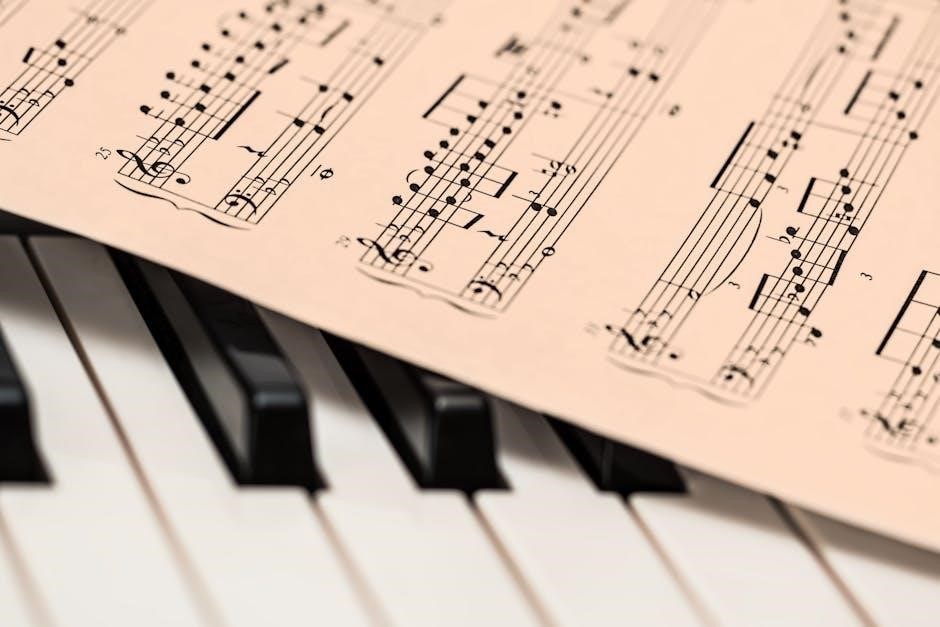
Decoding key signatures, time signatures, dynamics, and articulation is crucial for accurately performing “Phantom of the Opera” sheet music, enhancing musical expression.
Key Signatures and Time Signatures
Understanding key signatures is fundamental when navigating “Phantom of the Opera” sheet music. These symbols indicate which notes are consistently sharp or flat throughout a piece, influencing the overall tonality and mood. The score frequently shifts between keys, demanding careful attention from the performer.
Time signatures, displayed as fractions, define the rhythmic structure. Common time (4/4) is prevalent, but variations exist, dictating how many beats are in each measure and which note value receives one beat. Recognizing these signatures ensures accurate rhythm and phrasing.
Accurately interpreting these elements is vital for conveying the emotional depth and dramatic flair inherent in Andrew Lloyd Webber’s masterpiece. Ignoring them can lead to incorrect notes and a distorted musical interpretation.
Dynamics and Articulation
Dynamics, indicated by symbols like p (piano – soft) and f (forte – loud), are crucial for expressing the emotional range of “The Phantom of the Opera.” The score utilizes a wide dynamic spectrum, from delicate whispers to powerful crescendos, mirroring the opera’s dramatic narrative.
Articulation markings – staccato (short, detached notes), legato (smooth, connected notes), and accents – shape the phrasing and character of the music; These details guide the performer in conveying the intended style and nuance.
Paying close attention to these markings is essential for capturing the opera’s theatricality and emotional intensity. Ignoring dynamics and articulation results in a flat, lifeless performance lacking the necessary dramatic impact.
Chord Symbols and Voicings
Chord symbols in “The Phantom of the Opera” sheet music, like Cm7 or Fmaj7, provide a harmonic roadmap for accompanying musicians. Understanding these symbols is vital for improvisation or creating custom arrangements. The score frequently employs complex harmonies, reflecting the opera’s romantic and dramatic themes.
Voicings – the specific arrangement of notes within a chord – significantly impact the overall sound. Skilled pianists will experiment with different voicings to achieve desired textures and colors. The original orchestrations feature lush, full voicings, which can be challenging to replicate on piano.
Analyzing chord progressions and voicings enhances musical understanding and allows for more expressive interpretations of this iconic score.
Copyright and Legal Considerations
Respect composer and publisher rights when accessing “Phantom of the Opera” sheet music PDFs; ensure legality and avoid infringing on copyrighted material.
Public Domain vs. Copyrighted Material
Understanding the distinction between public domain and copyrighted material is crucial when seeking “Phantom of the Opera” sheet music PDFs. Most arrangements of Andrew Lloyd Webber’s work remain firmly under copyright protection, meaning unauthorized distribution or reproduction is illegal.
Public domain refers to works where copyright has expired, allowing free use. However, even arrangements of older, public domain melodies can be copyrighted if the arrangement itself is new.
Therefore, the vast majority of readily available “Phantom of the Opera” sheet music online requires legitimate purchase or subscription to access legally. Downloading PDFs from unofficial sources often constitutes copyright infringement, potentially leading to legal repercussions. Always verify the source and licensing before downloading.
Legality of Downloading PDFs
The legality of downloading “Phantom of the Opera” sheet music PDFs hinges on the source and copyright status. Downloading from official retailers like Musicnotes.com or Sheet Music Plus is entirely legal, as you are purchasing a licensed copy. However, many free sheet music websites offer PDFs that infringe on copyright.
Downloading copyrighted material without permission is illegal and unethical, potentially resulting in fines or legal action. While some older arrangements might fall into the public domain, verifying this is essential.
Prioritize reputable sources and consider the composer’s and publisher’s rights. Supporting legitimate channels ensures continued creation and availability of quality sheet music.
Respecting Composer and Publisher Rights
Andrew Lloyd Webber and his publishers deserve recognition and compensation for their creative work. Utilizing legally obtained sheet music directly supports the continuation of musical artistry. Purchasing PDFs from authorized retailers ensures royalties reach the composer and those involved in music production.
Copyright laws protect intellectual property, and unauthorized distribution of sheet music undermines these protections. Consider that creating high-quality arrangements requires significant effort and investment.
Choosing legitimate sources demonstrates respect for the musical community and fosters a sustainable ecosystem for composers and publishers. By valuing their contributions, we encourage further innovation and artistic expression.
Tips for Learning “Phantom of the Opera” Pieces
Begin with simplified arrangements, practice slowly for accuracy, and leverage online tutorials. Piano lessons can also greatly enhance your learning experience!
Start with Simpler Arrangements
Embarking on “The Phantom of the Opera” can be daunting. Fortunately, numerous simplified sheet music arrangements exist, perfect for beginners or those building confidence. These versions often reduce complex passages, streamline harmonies, and shorten the overall length of the pieces.
Consider piano arrangements specifically designed for early learners. Look for versions labeled “easy piano” or “beginner level.” These typically feature larger notation, fewer accidentals, and simplified rhythms. Starting with a four-hand arrangement, where a teacher or more experienced pianist plays the accompaniment, can also be incredibly beneficial.
Gradually progress to more challenging arrangements as your skills improve. Don’t rush the process; mastering the simpler versions builds a solid foundation for tackling the full orchestral scores later on. This approach ensures a more rewarding and less frustrating learning experience.
Practice Slowly and Accurately
Achieving proficiency with “Phantom of the Opera” sheet music demands deliberate practice; Resist the urge to play at full speed immediately. Begin at a tempo where you can execute every note and rhythm flawlessly. Accuracy is paramount; incorrect notes ingrained through repetition are difficult to correct later.
Utilize a metronome to maintain a consistent tempo and identify areas where your timing falters. Focus on challenging sections, isolating them for concentrated practice. Repeat these passages slowly and methodically until they become comfortable.
Gradually increase the tempo only when you can play the piece accurately at the slower speed. Remember, slow and steady wins the race. Prioritize precision over speed, and you’ll build a strong technical foundation for a beautiful performance.
Utilize Online Tutorials and Resources
Enhance your learning journey with the abundance of online resources dedicated to “Phantom of the Opera” sheet music. YouTube hosts numerous piano tutorials, offering visual guidance and interpretations of specific sections. Websites like Musicnotes.com and Sheet Music Plus often provide backing tracks for practice.
Explore online forums and communities where musicians share tips, ask questions, and offer feedback. Free-Sheet-Music.us, while offering free scores, can also lead to discussions about performance techniques. Consider searching for arrangements tailored to your skill level.
Leverage these digital tools to overcome challenges, refine your technique, and gain a deeper understanding of the music. Don’t hesitate to experiment with different resources to find what best suits your learning style.
Consider Taking Piano Lessons
Embarking on learning “Phantom of the Opera” pieces can be significantly enhanced through formal piano lessons. A qualified instructor provides personalized guidance, correcting technique and fostering musicality. They can assess your current skill level and recommend appropriate arrangements – starting with simpler versions is crucial.
Lessons offer structured learning, addressing challenges specific to the score, such as complex chord voicings and dynamic variations. An instructor can help interpret the composer’s intent and refine your performance. They’ll also guide you through proper practice techniques, maximizing efficiency.
Investing in lessons accelerates progress and prevents the development of bad habits, ultimately leading to a more rewarding musical experience with this challenging repertoire.