
Overview of Class Manuals
Class manuals guide educators, outlining curriculum, objectives, resources, and procedures. They unify teaching strategies, streamline classroom management, and support student learning by providing clear, organized, and accessible instructional frameworks for all participants daily.
Definition and Scope
A class manual functions as a comprehensive handbook containing facts, instructions, and procedural guidance for a specific course. It serves as a definitive reference document detailing how to operate the curriculum, perform teaching tasks, and manage learning activities effectively. Unlike a simple guide, this manual acts as a specific reference book encompassing operating instructions for lesson delivery, maintenance of academic standards, and legal responsibilities of instruction. Its scope extends beyond basic scheduling to include maintenance and repair of pedagogical gaps, ensuring all stakeholders understand expectations. The document integrates subject-specific facts with instructional strategies, functioning simultaneously as a task-completion manual and a guidebook providing regional curriculum navigation. It defines the user roles—instructors and learners—establishing a consumer relationship with the educational product. By standardizing procedures, the manual reduces ambiguity, supports compliance, and structures the instructional sequence. Ultimately, it bridges theoretical objectives with practical classroom execution, offering a structured framework that dictates how educational components work together to achieve desired outcomes. This vital resource ensures consistency, accountability, and measurable academic success.
Historical Evolution
Class manuals trace their roots to early educational handbooks that compiled teaching practices and subject matter for instructors. In the nineteenth century, printed syllabi and instructional guides emerged, offering standardized lesson structures across emerging public schools. By the early twentieth century, the rise of progressive pedagogy prompted educators to develop comprehensive manuals integrating learning objectives, assessment methods, and classroom management techniques. The post‑World II expansion of higher education accelerated the production of detailed course manuals, reflecting interdisciplinary curricula and increasing administrative oversight. The digital revolution of the 1990s transformed these printed resources into electronic formats, enabling rapid updates, multimedia integration, and broader distribution through institutional intranets. Contemporary class manuals often combine traditional textual guidance with interactive modules, aligning with universal design principles and data‑privacy regulations. This evolution illustrates a shift from static reference sheets toward dynamic, learner‑centered tools that support instructors, students, and administrators in achieving consistent educational outcomes.

Institutions now embed analytics, allowing improvement based on classroom performance data and feedback loops that refine instructional practices over time.

Purpose and Benefits
Class manuals enhance teaching effectiveness, support student learning, and streamline classroom management. They provide consistent instructional guidance, promote curriculum alignment, and foster efficient resource utilization, ultimately improving educational outcomes and administrative coordination daily.
Teaching Effectiveness
Teaching effectiveness refers to the degree to which instructional practices within a class manual translate knowledge into measurable student outcomes. By aligning lesson plans with clearly stated objectives, the manual ensures that educators employ evidence‑based strategies such as formative assessment, differentiated instruction, and active learning. Structured rubrics and feedback loops embedded in the manual provide consistent criteria for evaluating student progress, allowing instructors to adjust pacing and content in real time. The manual’s emphasis on collaborative activities and peer review fosters higher‑order thinking, while its inclusion of reflective prompts encourages teachers to assess their own instructional choices. Moreover, the manual offers a repository of best‑practice resources—lesson templates, multimedia assets, and assessment tools that reduce preparation time and promote consistency across sections. When teachers adhere to these guidelines, they create predictable learning environments that enhance student engagement and retention. Ultimately, a well‑crafted class manual serves as a catalyst for continuous improvement, enabling educators to refine their methods based on data, peer feedback, and evolving pedagogical research for ongoing improvement today.
Student Learning Support
Class manuals serve as essential tools for enhancing student learning by offering structured guidance, clear learning objectives, and accessible resources. They provide step‑by‑step lesson plans, assessment rubrics, and differentiated instruction strategies that accommodate diverse learner needs. By integrating concise summaries, visual aids, and real‑world examples, manuals help students grasp complex concepts and apply knowledge contextually. They also include reflective prompts and formative assessment checkpoints, enabling learners to monitor progress and adjust study habits. Additionally, manuals often feature glossary sections, FAQs, and troubleshooting tips that empower students to resolve uncertainties independently. The inclusion of technology recommendations—such as interactive simulations or collaborative platforms—further enriches the learning experience. Moreover, manuals outline accommodations for students with disabilities, ensuring equitable access to content. By consolidating instructional materials and best practices, class manuals reduce cognitive overload and promote self‑efficiency. Ultimately, they foster a supportive learning environment where students can engage, reflect, and achieve mastery with confidence. Furthermore, by linking assessment outcomes to curriculum standards, manuals help students understand the relevance of their work prepare successfully.
Classroom Management
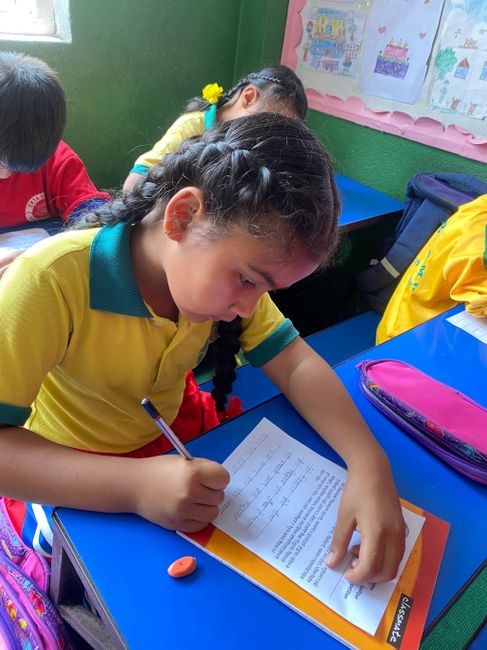
Classroom management within a class manual establishes consistent routines, expectations, and procedures that foster a conducive learning environment. By detailing behavior guidelines, seating arrangements, and transition protocols, the manual equips instructors to maintain focus and minimize disruptions. Clear, concise instructions for group work, technology use, and assessment procedures help students navigate tasks independently, reducing confusion and encouraging responsibility. The manual’s structure supports proactive strategies, such as positive reinforcement schedules and conflict resolution steps, enabling teachers to address issues before they escalade; Additionally, it outlines communication channels between staff, students, and parents, ensuring transparency and timely feedback. By incorporating evidence‑based practices, the manual aligns classroom dynamics with pedagogical goals, promoting engagement and academic success. The document’s accessibility features—legible fonts, color‑coded sections, and concise language—assist diverse learners, including those with disabilities, in following classroom protocols. Ultimately, a well‑crafted classroom management section empowers educators to create predictable, supportive learning spaces that accommodate individual needs while upholding institutional standards. These guidelines also foster a culture of respect, accountability, and improvement for all participants.
Audience and Stakeholders
Key stakeholders include instructors designing lessons, students seeking guidance, and administrators ensuring curriculum alignment. Each group relies on manuals for structure, clarity, and consistent educational delivery across diverse learning environments effectively today always.
Instructors and Teaching Staff
Class manuals serve as essential tools for instructors and teaching staff, offering a structured reference that aligns lesson plans with institutional standards. By detailing learning objectives, assessment criteria, and recommended instructional sequences, they enable educators to design coherent, progressive units that meet curricular goals. The manual’s resource list, including textbooks, multimedia, and supplementary materials, assists teachers in selecting appropriate content and supports diverse learning styles. Clear guidelines on classroom management strategies help maintain an engaging environment, while suggested activities and discussion prompts provide ready‑to‑use lesson components. Additionally, the manual outlines professional development opportunities and collaboration frameworks, encouraging faculty to share best practices and refine pedagogical approaches. For new staff, the manual offers orientation pathways, ensuring consistency across courses and departments. By integrating technology recommendations, instructors can seamlessly incorporate digital tools, enhancing interactivity and accessibility. Overall, the manual empowers teaching staff to deliver high‑quality instruction, fostering student success and institutional excellence. Moreover, the manual encourages reflective practice, enabling educators to assess impact, adjust strategies, and continuously improve instructional quality daily.
Students and Learners
Students and learners are the primary beneficiaries of a well‑crafted class manual. By presenting clear learning objectives, structured activities, and accessible resources, the manual empowers learners to navigate the curriculum independently. It offers concise explanations of key concepts, often supplemented with diagrams or multimedia links that cater to diverse learning styles. The manual’s organized layout—sections for prerequisites, core content, and review—helps students identify knowledge gaps and prioritize study efforts. Additionally, it includes self‑assessment tools such as quizzes, reflection prompts, and progress trackers, enabling learners to monitor growth and adjust strategies accordingly. The inclusion of real‑world examples and case studies contextualizes theory, fostering critical thinking and application skills. For learners with varying abilities, the manual incorporates universal design principles, providing alternative formats and adjustable reading levels. By clearly outlining expectations, assessment criteria, and available support resources, the manual reduces anxiety and promotes academic confidence. Ultimately, a student‑centered class manual transforms passive instruction into an interactive, learner‑driven experience that supports achievement and lifelong learning for future academic endeavors and professional growth.
Curriculum Coordinators and Administrators
Curriculum coordinators and administrators rely on class manuals to ensure institutional consistency and regulatory compliance across diverse educational settings. These stakeholders utilize manuals as primary instruments for standardizing curriculum delivery, verifying alignment with accreditation standards, and facilitating systematic program evaluation. By reviewing documented learning objectives, assessment strategies, and resource allocations, administrators can effectively monitor instructional quality and identify areas requiring professional development or resource augmentation. Furthermore, class manuals serve as critical artifacts during audits, providing transparent evidence of pedagogical planning and student outcome tracking. Coordinators leverage these documents to mediate communication between faculty, ensuring cohesive sequencing across grade levels or departments. They also support onboarding processes for new instructors by offering a definitive reference for established protocols and expectations. Ultimately, the manual functions as a strategic management tool, enabling leadership to maintain academic integrity, optimize resource distribution, and drive continuous improvement initiatives throughout the organization while safeguarding equitable learning opportunities for every student enrolled. This comprehensive oversight ensures sustainable educational excellence and accountability across all institutional programs effectively today.

Core Components of a Class Manual
Essential components include syllabus integration, defined learning outcomes, comprehensive resource lists, and structured instructional sequences. These elements ensure alignment, guide activities, and provide necessary references for effective classroom execution and student academic success.
Course Syllabus Integration
Integrating the course syllabus into a class manual creates a single, coherent reference that aligns instructional intent with daily classroom practice. The syllabus provides high‑level expectations—learning outcomes, assessment policies, and schedule—while the manual expands each element with detailed activities, resource lists, and procedural guidelines. By embedding the syllabus sections directly within the manual, instructors ensure that every lesson plan references the same objectives, reducing redundancy and preventing misalignment between stated goals and actual delivery. This integration also supports transparency for students, who can locate grading criteria, reading assignments, and deadlines alongside explanatory notes and examples. Moreover, the combined document simplifies administrative review, as curriculum coordinators can verify compliance with institutional standards without cross‑referencing separate files. When updates occur—such as shifting a topic due to pacing concerns—the manual’s modular design allows quick revisions to both syllabus excerpts and associated instructional steps, preserving consistency throughout the semester.
Finally, this unified approach encourages continuous reflection, enabling educators to assess instructional effectiveness and adapt strategies in real time throughout the academic term.
Learning Objectives and Outcomes
Learning objectives in a class manual articulate precise, measurable goals that students are expected to achieve by course end. They align with institutional standards, curriculum frameworks, and assessment criteria, ensuring coherence across instructional activities. By specifying both objectives and outcomes, instructors can design targeted lessons, select appropriate resources, and implement formative checks that guide student progress. Clear articulation supports differentiated instruction, allowing educators to tailor support for diverse learners while maintaining consistent expectations. Additionally, documented objectives facilitate accountability, enabling stakeholders to evaluate program effectiveness and inform continuous improvement. When objectives are written in active verbs and outcome statements in observable terms, they promote transparency and student ownership of learning. Regular review of objectives against assessment data helps refine curriculum pacing and identify gaps, ensuring that every module contributes meaningfully to overall competency development. Furthermore, the manual includes rubrics that translate outcomes into graded criteria, allowing students to self‑assess and instructors to provide feedback. These links between objectives, outcomes, and assessment foster a culture of accountability throughout the course daily.
Materials and Resources List
A comprehensive Materials and Resources List ensures instructors and learners possess necessary assets before course commencement. This section catalogs required textbooks, specifying editions and ISBNs, alongside recommended supplementary readings that deepen conceptual understanding. Digital resources feature prominently, including links to learning management system modules, interactive simulations, and curated open educational resources (OER) that reduce financial barriers. Hardware requirements detail necessary lab equipment, computing specifications, and specialized software licenses essential for practical application. Accessibility considerations mandate alternative formats, such as audio versions or screen-reader compatible files, adhering to universal design principles. Copyright and licensing details clarify usage rights for proprietary content, preventing legal infringement. Regular updates reflect evolving technology and curriculum adjustments, maintaining relevance. Clear categorization distinguishes mandatory from optional items, facilitating budget planning and procurement efficiency for both institutions and individual students preparing for academic success. Furthermore, the list identifies vendor contacts, technical support channels, and version control protocols to streamline troubleshooting. Annotation fields allow educators to append pedagogical notes, contextualizing resource utility within specific instructional sequences for enhanced clarity.
Instructional Sequence and Activities
An instructional sequence in a class manual outlines the logical progression of teaching moments, ensuring each lesson builds on prior knowledge. The manual begins with a concise introduction that states learning objectives, followed by a brief review of prerequisite concepts. Next, the teacher presents new content through a structured activity such as a lecture, demonstration, or multimedia segment, each described with step‑by‑step instructions similar to those found in technical handbooks. After content delivery, the manual recommends guided practice, where students apply ideas in small groups or through individual worksheets. The sequence then moves to collaborative tasks, encouraging peer discussion and problem‑solving, mirroring the collaborative sections of user guides that promote interaction. Finally, the manual prescribes a closure activity—often a quick quiz, reflection prompt, or exit ticket—to assess comprehension and reinforce key points. Throughout, timing cues, required materials, and optional extensions are listed in bullet form, allowing instructors to adapt pacing while maintaining consistency across classes.
Together, they form a clear roadmap supporting varied teaching styles and learner needs.

Design and Organization Principles
Effective class manuals employ logical structure, consistent formatting, and intuitive navigation. Visual hierarchy, modular sections, and standardized templates enhance usability, ensuring educators locate critical information quickly for seamless instructional delivery and planning daily.
Clarity, Conciseness, and Readability
Clarity, conciseness, and readability are foundational principles in crafting effective class manuals. A clear manual eliminates ambiguity, ensuring instructors and students quickly grasp expectations and procedures. Conciseness reduces cognitive load, presenting essential information without extraneous detail. Readability enhances accessibility, employing simple language, short sentences, and consistent formatting. Utilizing headings, bullet lists, and visual cues further aids comprehension. Color‑coded sections or icons can signal key concepts, while ample white space prevents overwhelm. Consistent terminology across the manual prevents confusion, especially when referencing complex topics. Incorporating examples, diagrams, or case studies illustrates abstract ideas, reinforcing understanding. Aligning the manual’s tone with the target audience—whether novice teachers or seasoned educators—ensures relevance and engagement. Regularly reviewing and updating content maintains accuracy, reflecting curriculum changes or new pedagogical insights. Finally, soliciting feedback from users helps identify unclear passages, allowing iterative refinement. By prioritizing clarity, conciseness, and readability, a class manual becomes a reliable, user‑friendly resource that supports effective teaching and learning. Its structured design also facilitates quick reference during lesson planning and assessment sessions.

Assessment and Evaluation Strategies
Effective manuals integrate evaluation methods ensuring assessments directly measure stated learning outcomes. They define criteria, rubrics, and feedback loops, promoting validity, reliability, and continuous improvement for instructors and students alike academic success today.
Alignment with Objectives and Assessment Design
Alignment with objectives and assessment design ensures that every activity, resource, and evaluation tool in a class manual directly supports the stated learning outcomes. By mapping assessment tasks to objectives, instructors can verify that students demonstrate mastery through measurable evidence. This systematic linkage also informs the selection of formative checks, summative exams, and performance tasks, guaranteeing consistency across the curriculum. When objectives are clearly articulated, assessment rubrics can be crafted to reflect specific competencies, reducing ambiguity for both teachers and learners. Moreover, alignment promotes transparency, allowing stakeholders to see how instructional design translates into measurable results. The process involves iterative review: objectives are revisited, assessments refined, and instructional strategies adjusted to close any gaps. Such rigor not only enhances academic integrity but also supports accreditation standards and continuous improvement cycles. Ultimately, a well‑aligned manual fosters accountability, ensuring that teaching, learning, and evaluation operate in concert to achieve educational goals effectively. Students receive timely, actionable feedback that clarifies expectations, guiding them toward continuous improvement and success in learning and growth.

Technology Integration
Class manuals embed digital tools, platforms, and multimedia elements, enabling interactive learning, real‑time assessment, and resource accessibility. They guide educators in selecting appropriate technology, ensuring seamless integration, and enhancing student engagement across environments.
Digital Tools, Platforms, and Multimedia Elements
Digital tools transform class manuals into resources. LMS platforms like Canvas, Moodle, or Google Classroom centralize syllabi, assignments, and feedback. Multimedia—video lectures, simulations, podcasts—enhances engagement and supports diverse learning styles. Authoring tools such as Articulate Storyline or Adobe Captivate create modules that adapt to device screens. Collaboration platforms—Slack, Microsoft Teams, Discord—enable discussion, peer review, and group projects, while version‑control systems like GitHub preserve document history. Analytics dashboards track student interaction, revealing patterns that inform instructional adjustments. Integrating VR and AR experiences lets students explore complex concepts in immersive contexts. Mobile apps provide on‑the‑go micro‑learning. Adaptive platforms like DreamBox or Knewton personalize pacing based on assessment data. Gamification—badges, leaderboards, progress bars—motivates sustained engagement. Embedding social media feeds or discussion boards builds community. Interoperability via SCORM or xAPI ensures content reuse across systems. Quizzes and instant feedback loops boost retention. Cloud whiteboards like Miro or Jamboard support brainstorming. Podcasts offer auditory reinforcement. PDFs guarantee accessibility. Linking external APIs allows data integration, enriching relevance for assessment alignment for students within the curriculum.

Legal, Ethical, and Accessibility Considerations
Class manuals require strict copyright compliance, data privacy protection, and universal accessibility adherence. Ethical standards demand fair use, proper attribution, and inclusive design for diverse learners everywhere always right now fully today indeed.
Copyright, Licensing, Data Privacy, and Universal Design
Class manuals must respect property by identifying copyrighted materials, obtaining licenses, and providing attribution for any content such as excerpts from encyclopedias, dictionaries, or handbooks. When a manual incorporates resources, editors should verify Creative Commons licensing terms, ensuring that reuse, modification, and distribution align with the stipulated conditions. Data privacy considerations require that student information—grades, attendance records, or personal identifiers—be stored securely, anonymized where possible, and processed in compliance with institutional policies and legal frameworks such as FERPA or GDPR. Designers should embed privacy notices and obtain consent before collecting or sharing data through platforms linked to the manual. Universal Design principles demand that the manual be accessible to all learners, including those with visual, auditory, motor, or cognitive impairments. This involves using readable fonts, colors, alternative text for images, captioned multimedia, and navigable structures that support screen readers and interaction. By integrating copyright compliance, proper licensing, privacy safeguards, and design, class manuals become legally sound, ethically responsible, and usable resources that enhance teaching effectiveness across diverse educational environments.